Sunday, September 28, 2014

A Strange Assortment of Disney Flicks

I want to try to do something more goofy and lighthearted in between putting out serious contemplative material. And, what's more and lighthearted than Disney? Granted, some of my movie choices, or the content within these movies, can be serious, and that is part of my reason for putting that movie on this list. However, when it comes down to it, I have just enjoyed watching Disney movies since my earliest childhood days and I wanted to share my reasons for why these 5 movies (in no particular order) are my favorites.

P.S.-Note that most, if not all of these choices, are not the most popular, not the most music oriented, and certainly contain a very minimal amount of princesses. So, this list will look a little different than what you might expect a Top Disney Movies list to look like.

Robin Hood


As the Nostalgia Critic noted in his Disneycember review of this movie, most kids were introduced to the legend of Robin Hood through this version. I count myself among that number who first heard of the legendary outlaw through Disney.

This is one of the those Disney movies that the boys can really dig without having to feel embarassed to admit they're watching Disney (unlike the princess movies). Naturally, there's plenty of archery , romance, and swordplay but maybe even moreso there's plenty of comedy. I get a kick out of just thinking of scenes like Robin Hood and Little John dressing as fortune tellers, or Little John pretending to be a Duke and befriending Prince John, or Hiss and Prince John arguing.

It was great fun seeing these animal characters move and act like normal humans, and yet are given moments and distinctions that correspond with their animal type (the elephants use their noses to trumpet, Prince John who is royalty is a lion, etc.). It didn't distract me that these were animals portraying people, in fact, I think that was what drew me in as a kid and remains part of the nostalgic appeal of this movie.

While Robin Hood is an enjoyable lead, Little John practically steals the show between the character's dialogue and its delivery from Phil Harris. Also, this is the one of the few movies I recall Disney actually showing a church and throwing moral theology into the storyline. Friar Tuck as a character, his reaction to the wickedness of the Sheriff and Prince John, and Robin Hood's charity are all positive examples of good morality fighting selfish greed (even including when Friar Tuck goes berserk on the Sheriff). In the end, even the songs are catchy and are nostalgic staples of my childhood. Robin Hood is just overall fun.

The Sword in the Stone


While the animation style and the overall story are not high on the epic quality scale by Disney standards, it's the characters that make this movie. The character of Merlin as a grumpy, clutzy, yet wizened wizard is hilarious, as is his interaction with his talking owl Archimedes. I can overlook the constant changes in Wart's (i.e. young King Arthur's) voice because he is the most identifiable character in the movie. I identify with Wart not just because I'm a boy but, because of his adventures with Merlin, Wart is learning many things and his reactions often reflect my reactions (especially when I was little).

I like Merlin's little references here and there to what the future (which is our present or past history) will be like and how it blows Wart's mind. The wizards duel between Merlin and Mim is great fun and it's cool to see Merlin win using wit and brains to overcome Mim's cheating ways. The different moments when Merlin changes himself and Wart into animals are wonderful because they are educational as well as entertaining (though the biggest lessons I learned were that a big fish likes to eat little fish and girls can be annoying when they flirt with their crush). It's the humor and character interactions that make The Sword in the Stone so good to me.

Fantasia


I already explained why I like this movie in my Top 23 movies series, so I'll just note why it's one of my Top 5 Disney movies. This feels like one of Disney's most mature and artsy releases. It feels like watching high art, between the professional classical orchestra and the top notch drawings in each of the vignettes. Fantasia goes through a wide variety of tones and emotions, from dark to light, scary to peaceful, funny to serious.

The Adventures of Ichabod and Mr. Toad


As for the first half of the movie, The Wind in the Willows, it's enjoyable enough. The side characters, like Mole and Rat and the Horse, are very funny and given some great lines. The climactic scene in Toad Hall is thrilling too. It's the second half about Sleepy Hollow that I enjoy most in this movie.

First, Bing Crosby's narration is superb, as are his singing bits. He has a great voice for storytelling, especially when the story is as outlandish, charming, and terrifying as this one. Second, this story makes the main cast of characters simultaneously likable and despicable, making it confusing as to who to root for. Ichabod is a victim yet incredibly greedy, Brom is the town hero yet arrogant, and Katrina is pretty but vain. I like that complexity.

Not to mention, Ichabod's trip through Sleepy Hollow and the encounter with the Headless Horsemen is very horrifying. It's one of those classic childhood moments of fright that stick with me even today. The tone for this climactic encounter is set even before Ichabod arrives in the hollow, back when Brom sings the song about the Horseman. From that song onward, the goofy love triangle quickly becomes a faded memory, due to the atmosphere that the filmmakers, from the artists to the sound effects to the musicians, create. The Adventures of Ichabod and Mr. Toad has a lot of emotional range and complexity for a kid's movie.

The Hunchback of Notre Dame


Where to begin with this movie? This movie utilizes several elements that I liked about previous movies on this list. This is one of Disney's most mature and dark releases, one of its major settings is a church, and it includes ideas of moral theology. I think the songs are some of the best parts of the movie. Not just because of how well they are sung (the music is beautiful), but also because the lyrics reflect incredible ideas and character conflict.

At the end of Bells of Notre Dame, Clopin asks "Who is the monster and who is the man?", which really translates to "Is a person a monstrosity because of their appearance or because of their actions?". In Out There, Quasimodo sings "If I was in their skin, I'd treasure every instant out there" and "Just one day, and then I swear I'd be content with my share", telling the audience to appreciate the beautiful things in the world and to not take our freedom and our surroundings for granted. In God Help the Outcast, we hear Esmarelda sing a humble prayer to beg for aid for her people while others, like Biblical Pharisees, pretend to be pious while selfishly asking for things of vanity. Esmeralda even sings "I thought we all were children of God", marking that all of us are creations from God and that even the poorest and most desperate humans have the same dignity as non-outcasts. In Hellfire, we see Judge Frollo struggle between his pious devotion to God and the sexual temptations he feels towards Esmarelda. Even though Frollo, the symbol of religious piety, is the villain, we still get good characters like the Archdeacon, Quasimodo, and even Esmarelda as a counterbalance so that the audience can see what the dangers are of extremist-type devotion and how a person can truly live out a life of charity.

The artistry is beautiful. Not just the Cathedral of Notre Dame (which is gorgeous to see in such intricate detail), but the whole town of Paris and its citizenry provide a wonderful look back in time. This movie has stuff for both adults and kids, which should be how a family friendly movie is done (I didn't even realize the names of the male gargoyles were references to the author of the Hunchback of Notre Dame book until rewatching it a couple years ago). The Hunchback of Notre Dame is an underrated gem, especially because of the great music.

Sunday, September 21, 2014

Being A Model of Manhood

Side note: So my computer is weird and due to complications between the blog site and my computer/ movie maker, I cannot post this article as a Vlog like I originally intended. So, for today, I will just put it down as a normal blog post and hopefully have a video blog post on something else next week for you.

I have a quick story to share. Recently I started working in an office at Lindenwood University. One of my new coworkers, after we had gotten past the basic get-to-know-you stage, sat down at my desk a couple of weeks ago. She pulls out her phone with a picture of a friend and said "Do you think she's pretty?". I was kind of caught off guard, being in the middle of work and everything, but the woman in the picture was pretty so I replied quietly "Yeah". So my coworker kind of explained things about her friend and that this friend had been dealing with a lot of jerk guys lately and that she thought that her friend and I would get along real well. And I think she even said something along the lines of "She just needs to meet a really good guy".

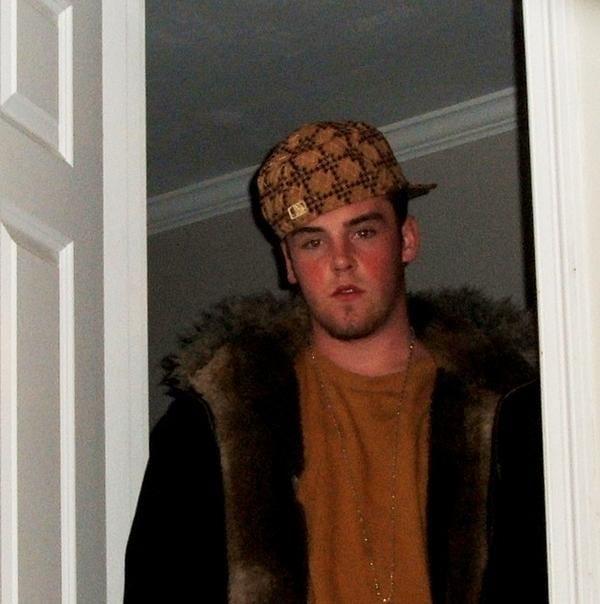
Pictured: A good guy, apparently

All of the sudden, there was this pressure on me because I'm just one man who is supposed to be a model for good, real manhood. Yet, that got me thinking more about the individual man's responsibility to be a model of manhood.

Here's what I mean: I have several friends who are women. Every once and awhile on social media, I'll see a post from one of these friends talking about how a guy, a total stranger, held the door open for them and how shocking that was and the post would read something like "Chivalry's not dead". These posts, however, make me just want to shout "I do that for you all the time!"

The struggle is real
All of the sudden, there's this pride that wells up inside of me that thinks "Okay, have you not noticed the dozens of times that I've done that for you?". It's strange how, in these moments, I want to take all of the credit for being a model of manhood but that moment in my story, in the office, I didn't want to take any of the credit for being the individual embodiment of manhood.

It's important for each and every man to live in such a way that we are true models of good, real manhood.

We hear the stories about how women have to deal with jerks all the time. How all the guys they date are just the wrong guy and they're waiting for the right guy. Those wrong guys, those jerks that they deal with, are not living out their role for what true manhood should look like. This can lead to extreme cases, such as what we see exemplified in the NFL player scandals. We see in our society how women have to go through many struggles trying to find the right guy because of the actions of the many jerks not living up to their full potential of manhood.

Pictured: The guy that's been ruining things for men everywhere since middle school

In my own life, I need to constantly ask myself "What must I do to live out a truly authentic life as a man?". Every day I have that responsibility of living out my role as a model of manhood. I need to treat all of the women in my life with respect and care. I often make jokes at the office about being one of the few guys around and constantly being surrounded by women. It has to be understood that that's all kind teasing so that my actions reflect my respect and care for those women I work with. I have to willingly hold doors open for everyone at all times, even if I don't get credit for it.

When it comes to something like dating, I have first and foremost ask the woman out either in person or at least over the phone if I have not met her in person. I have to be romantic and chivalrous from the first date and throughout the relationship, even if it means doing the cheesy stuff. I have to respect the physical boundaries and pursue this woman I am dating with chastity and purity.

I have to be willing to put up with stuff like this from time to time.

I need to take these actions not just for the women in my life, but for the men as well. What I mean by that is I need to be a model of manhood for the guys around me, from my godson to my brother to my cousins to my friends. Even the generation before me, I have to live in such a way that I show those men that everything they demonstrated and taught to me has actually sunk in.

As I continue this journey of discovering true manhood and how to live that out, I need to seek help from others whenever I need to and I need to look to my own role models of manhood. Naturally, majority of my role models are religious, Catholic men. Primarily, my biggest role model is Jesus Christ because He is THE MAN. As His disciple, I have to live out my life as He asks me to live it, which is not always easy but that is what I'm called to do. All of the saints and disciples that have come before me have left legacies of true manhood.

So, a reminder to myself and all the other guys I know. However much we want to take credit for doing the right things as a guy but don't want the pressure of being a model of manhood all the time, it's important to recognize that the way we live out our lives has an effect on the people around us. We don't necessarily need to take the credit all the time, but we must deal with the pressure by living authentic lives as a man.

Monday, July 28, 2014

Saints: Role Models for Men- St. Maximilian Kolbe


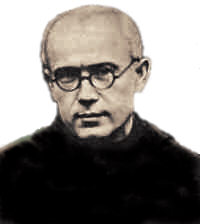
Today's post may be short, but that does not mean there is any less significance or importance to the life and work of St. Maximilian Kolbe, a Polish priest and monk. He is a modern saint for good reasons.

Devotion and Evangelization

St. Maximilian Kolbe had a deep devotion to Mary. He even named a society he founded the Militia of the Immaculata. Then he established a magazine Knight of the Immaculata as an extension of the militia. The aim of the society and the magazine was to evangelize to as many people as possible in order to combat evil. He created houses for his society to work in, one in Poland and the other in Japan. He was a traveler who had a mission that he pursued each day.

Devotion and Imprisonment

St. Maximilian Kolbe lived and worked during the rise of the Nazis and the start of the second World War. Kolbe, along with his Franciscan brothers, was arrested and put in a concentration camp. One time, a prisoner escaped the camp and as punishment, the Nazis gathered a group of men together and picked ten of them to die in a starvation bunker.

 St. Maximilian Kolbe volunteered himself after a man, who had a wife and children, pleaded for his life to be spared. He went to the bunker with the nine other men and led them through song and prayer. In their final moments, Kolbe evangelized and did what he could to aid the men around him.

Sunday, July 27, 2014

Christianity in Harry Potter's Wizarding World: The Prisoner of Azkaban Part 1

Heaven & Bless


Let's start at the end. While Dumbledore is talking to Harry, after Lupin leaves Hogwarts, they discuss Professor Trelawney and Dumbledore says "bless her". This is a statement similar to one made by Gilderoy Lockhart in the previous story about one of his admirers. This statement is a way of wishing someone good fortune, someone who may especially need it. Dumbledore knows secret things about Professor Trelawney, and yet knows that she can be a difficult person for the students and staff to get along with, so he makes says "bless her" when Harry brings her up.

Now, there is another common phrase that makes an appearance much earlier in the book. Just before the return to Hogwarts, Mr. and Mrs. Weasley are having a debate in the Leaky Cauldron about Harry and Sirius Black. Mrs. Weasley says "for heaven's sake" when talking about Harry.

What does this statement mean as a Christian reference within the context of the wizarding world? Well, as a phrase, it seems to be used as a way of expressing frustration. Mrs. Weasley expresses frustration towards her husband, who wants to reveal secrets about Sirius Black to Harry and her frustration is caused by her desire to protect Harry from horrible knowledge about Black. The phrase itself, outside of any context, may sound like "for the sake of heaven", meaning that the person saying it would be making a statement for the sake of Heaven, the eternal good paradise with God. However, in the context, it seems to follow that Mrs. Weasley is just simply bringing the name of eternal paradise into the conversation as a way to make her frustration known.


God

At the first Care for Magical Creatures lesson, Malfoy says "God, this place is going to the dogs". Later, while talking to Harry and Ron, Hagrid says "Gawd knows". Both of these uses of "God" lightly make use of the name. Malfoy uses the name of "God" in a way to express his frustration while Hagrid uses the same name to express his confusion on a matter. Both usages demonstrate that the wizarding community is incredibly familiar with God, familiar enough to be able to use His name in conversation without anyone being confused about what the wizard means when they say "God".

Godfather


I know this is from the fifth movie and not the third. There's just wasn't a good picture of these two from the latter.

The first time that Harry, and the reader, learns that Sirius Black is Harry's godfather is when he eavesdrops on a conversation in the Three Broomsticks and Minister Cornelius Fudge says "Black was best man when James married Lily. Then they named him godfather to Harry".

I think that brings up several questions concerning the nature of Sirius' role as godfather. Was he made godfather just to kind of be a non-related uncle or a possible future guardian? Like, did James say "Hey, Sirius, just in case my wife and I end up dead, do you wanna be first in line of being Harry's guardian? We'll even call you godfather just to make it official. Our only other option is Lily's sister and her husband, and...we'd rather it be you."? Or is this a religious title? Was Harry baptized and by his baptism Sirius was made godfather, to help raise Harry and bring him up in the faith? What denomination was Harry baptized in?

Next time we hear about Sirius as "godfather" is while Sirius invites Harry to come live with him on their return to Hogwarts castle. This helps us understand that the role of godfather in this context is like the first scenario. Sirius was expected to become something of an uncle to Harry and help raise him up if Harry's parents were ever gone. There does not seem to be any religious responsibility when it comes to being godfather. It just seems to be a man outside of a family to be given a title to connect himself with the family.

Compare that with the Catholic Christian title of "godfather". As a godfather, I also take on the responsibility of helping to raise my godson as if I were an uncle or a guardian (I'm technically a cousin once removed, so I'm not called Uncle Keeler or anything like that). However, I'm also given responsibility to help bring up my godson faithfully and to watch over him spiritually. I am called to model my life in a way that brings my godson closer to God and help him along his faith journey. Sirius Black, in the wizarding world, does not seem to have any of this kind of role in his position as godfather.

Tuesday, July 22, 2014

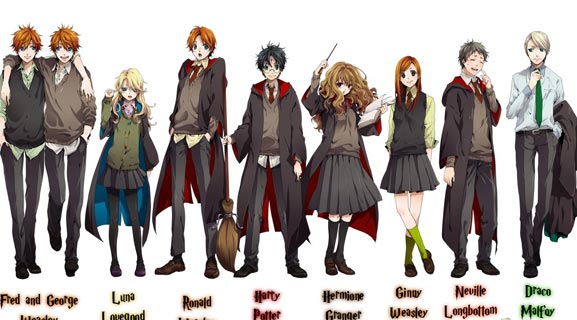
Why We Need a Harry Potter Animated Series

Warning: None of the pictures in this post are of my own creation so I do not take any credit for them (I just worry sometimes might complain). Also, in case this is an issue, spoilers on the books and movies ahead.

In the midst of writing my Harry Potter-Christianity series, I have been kinda getting reobsessed with Harry Potter (I go through weekly obsessions often). I have been diving into the books and watching all the movies for the fifteenth time. As I watch the movies, I can't help but feel like there is a lot missing in those onscreen moments that were part of the book.

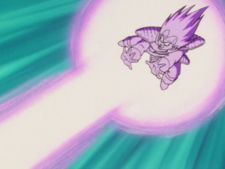
It got me to thinking that it would be nice to have a reboot of the Harry Potter movies that included those missing pieces from the book, and I understand why they are missing from the current movies because it's tough to fit so much source material into a single 2.5 movie. However, I got to thinking, rather than rebooting the movies (which would probably have to wait a few decades anyway) and creating a dozen movies to fit all the material in, a TV series would work much better. And not just any kind of TV series, but an animated series (that's right, I'm suggesting a Harry Potter cartoon). I'm talking at the scale of Dragon Ball Z epicness.

Expelliarmus!
Now, before you automatically dismiss this idea, here are my reasons for why I think a Harry Potter animated series can work and is a brilliant idea.

Built-In Fanbase

It's been 7 years since the last Harry Potter book was published and 4 years since the last Harry Potter movie was released. And still, people are crazy obsessed with the series. People watch Harry Potter marathons all weekend on ABC Family, they join Pottermore to try to live the life of a Hogwarts student, Harry Potter themed amusement parks are being built or added upon, and J.K. Rowling is still releasing Harry Potter related snippets of writing.

My point is that, Harry Potter mania is still going strong and will continue going strong for a long time. Production companies have millions of fans that they can reach to in order to get viewers and major support for something like a TV series (imagine people obsessively watching a Harry Potter TV show on Netflix like they do Breaking Bad).

Built-In Incentive for Quality


If a company (say Disney) bought the rights to Harry Potter to make an animated series, they are in a sense buying the rights to be able to create at least seven seasons of a immensely, gigantically, hugely profitable show. However, if they screw it up from the get-go by using low-quality animation or not following the books or creating their own storylines within the Harry Potter universe, then the fans are going to shut off and the series ends at just the first or second book. Therefore, if a company wanted to make a Gringotts bankful of Galleons from an HP series, they better satisfy fans and bring high quality from the very start.

Unified Vision and Direction


One of the things that irked me about the Harry Potter movies (which I generally enjoy overall) is that there was a serious shift in appearance and aesthetic between the films, most notably between the second and third movie (a covered bridge was added, Hagrid's Hut was moved, etc.). This was due to a change in directors, each with their own vision and approach to the movie they were particularly working on.

With an animated series, a single company with the same producers, director, and other creators can be used to bring each book to life with a single aesthetic approach. This way, there are not any funky changes to the layout of Hogwarts or the looks of the characters in the series.

Opportunity to be Thematic

One of the things I enjoyed about David Yates' Harry Potter movies (he directed from Order of the Phoenix all the way to Deathly Hallows Part 2) is that each movie seemed devoted to a particular theme. At least, I myself noticed a theme in each movie that was interconnected as part of Harry's overall journey. In Order of the Phoenix, the theme was focused on Truth and Loyalty. Half Blood Prince examined Masculinity and variations of it. Finally, both parts of Deathly Hallows, while more directly linked to the literature source material, saw Harry utilizing what he had learned about these themes in the previous two movies to help him complete his journey into manhood. Again, this is what I got out of the movies.

The point is that a TV series has an opportunity each season to focus on different themes and ideas. Whether it's things like gossip or bravery or morality, each season can examine a particular idea that is found in the Harry Potter books without overtly beating the audience over the head with the message. Each book already has great material for different themes.

Reboot Whole Series without a New Cast


The movies are almost classic now. It's hard to read the books and not picture Alan Rickman as Severus Snape or Rupert Grint as Ron Weasley. Each of the main cast and majority of the supporting actors are now the real life connections to the Harry Potter series. It would take a few decades for a reboot movie series to happen and not have people throw riots about who the new Harry is or which guy replaced Dumbledore this time.

In an animated series, we do not have to worry about casting the right-looking actor or using make-up to make a person look exactly like their literature counterpart. All one has to do is draw the characters as they are described in the book, with references to the illustrations in the books as well as any previous fan art of Harry, Ron, Hermoine, and the gang. Then, we can get professional voice actors to come in and provide their dulcet tones to the series.

Cameo Appearance Opportunities

It would be almost too much to ask for original cast members to provide the voices of the characters they played, especially since many of these actors have busy careers in other movies and stage plays, or the fact that the now young adult actors cannot provide the same voices they had for their characters when they were 11 or 12. However, how cool would it be to have a familiar voice connected to the movie to be heard from one of the characters in an animated series?

Imagine Ian Hart or Kenneth Branagh doing dialogue for their roles as Professor Quirrell and Professor Lockhart respectively. They could do these voices since these characters would last only a season and do not take up majority of the story. Perhaps Daniel Radcliffe could do the voice of James Potter or Tom Felton could voice Tom Riddle or Rupert Grint could do the voice of the older Weasley brothers (Charlie or Bill).

Magic and Animation


We all know from Disney movies and other nostalgic classics that animated stories can be magical. A huge part of my childhood was watching good quality cartoons that I was addicted to. In the same way, Harry Potter could be a weekly animated series that attracts kids as well as adults. Plus, think of how different and easier it would be to draw spells and transformations rather than having it created by computer programs. Just imagine if Harry Potter were a high quality anime and all of the cool designs that could be done with the spellwork.


Stupefy!

Books=Seasons or Episodes=Chapters

It's common sense that you can spend more time telling a story through a TV series than in a movie. With an entire season of 13ish episodes, each nearly half an hour long, one can pace the story better and include more details than a 2-3 hour long movie can. With the Harry Potter series, there is a lot of story to tell; however, the books make it very easy to break the story into seasons and episodes of a TV show. Each season can be focused on one of the books (perhaps some of the longer books can be divided into two seasons) and each episode can be based on one or two of the chapters from the book.

Chance to Include Stuff Missing From Movies

This is probably the biggest reason why I would like to see a different version of Harry Potter, having the chance to have a visual representation of moments in the book that are missing from the books.

Harry Potter and the Sorcerer's Stone

-Potions Challenge: In the book, after Ron sacrifices himself to win the game of chess, Harry and Hermoine get trapped in a room where the doorways are blocked by fire and there's multiple potions on the table and Hermoine solves a riddle in order to help Harry get to the Sorcerer's Stone.


Harry Potter and the Prisoner of Azkaban

-Full True History of Sirius and Pettigrew: There's a large part of the chapter when we first meet Sirius Black that is devoted to explaining the true story of what happened when Black tracked down Peter Pettigrew twelve years ago. Remember, Sirius Black is a notorious mass murderer right? That's what they call him in the movie and the book. But, in the movie, all they say is that Black destroyed Pettigrew, and that's it. What about those thirteen Muggles that were killed on the scene as well. And how did Pettigrew escape from Sirius Black when he's supposed to be dead?


Harry Potter and the Goblet of Fire

-Weasleys Visit Dursleys: Near the beginning of the book, Harry leaves the Dursleys' home when the Weasley family comes to retrieve him. This is a hilarious scene and is a great way to introduce the soon to be popular Weasley's Wizard Wheezes.

-Meeting Charlie and Bill Weasley: We are never meet Charlie in the movies, and we do not see Bill in the movies until Deathly Hallows even though he has some important moments during the last three books.

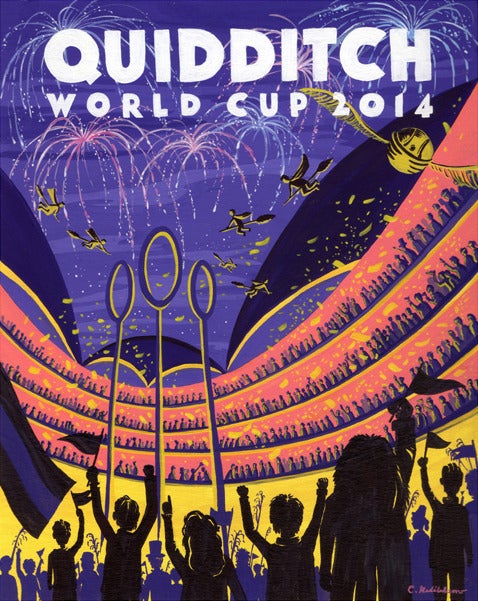
-Quidditch World Cup!: I know we get the intro and a bit of flying on broomsticks and I know it would have been expensive to create, but just a few minutes of the biggest sporting event in the wizarding world would have been much appreciated. Maybe we could see a couple of goals or Viktor Krum performing the Wronski Feint.

-Ludo Bagman/ Fred and George: While Bagman may not be important to Harry's story specifically, he was a fun character to read about and adds some humor to an otherwise dark storyline. Also, Fred and George's involvement with Bagman is a nice little mystery throughout the story. And in the end, it's important because Harry's prize money for winning the Triwizard Tournament is important for Fred and George opening their joke shop. Without having bet Bagman, Fred and George would not have gotten to the financial situation where Harry would have felt like giving them a bag full of money.


-Crazier Third Task: I feel like the start of the third task actually slows down the movie. How awesome would it be to see a Blast-End Skrewt wrecking havoc through the maze or have Harry come across the sphinx?

-Insane Mr. Crouch: There's a very creepy scene in the book where Harry and Krum find Mr. Crouch, who has been driven insane. An anime could especially capture the atmosphere of this scene, which may be a minor part of the book, but is something that I think really adds to the mystery and thrill of the story.

-Dumbledore vs. Fudge: At the end of the fourth book, while Harry is recovering in the hospital wing, Dumbledore and the Minister of Magic kind of have a falling out. In this scene, we see the start of the division between Harry and the Ministry as well as see some of Dumbledore's brilliant strategic mind as he gets people moving into place to prepare for the fallout of Voldemort's return and the reformation of the Order of the Phoenix.

Order of the Phoenix

-Meeting Mundungus Fletcher: While this is a small supporting character, he has important moments in this story throughout the last three books and it is in this book that we are introduced to him, rather than the movie's introduction in Deathly Hallows.

-Department of Mysteries: There are many different levels of weird and crazy things going on in this department. Revolving rooms, Time Turners, Flying Brains. The battle in the Department of Mysteries is long and intense, going through various and mysterious moments of magic that would be great to see in a visual medium.

-More of the D.A.: There could be episodes devoted to D.A. meetings, the spells they learn, and the other things that they do in the Room of Requirement. Rather than just having a quick couple of montages of D.A. meetings, episodes can take time showing us the progress of the students involved.

-Snape vs. James Memory: In the movie, we get a brief glimpse of Snape's memory of being bullied by James Potter after his O.W.Ls. However, there is a lot more detail that we missed out on what the teenage version of Harry's dad and his friends were like and causes internal conflict within Harry. This also inspires him to break into Umbridge's Office to talk to Sirius and Remus, which is also a cool scene we missed out on.

The Half Blood Prince

-Scrimgeour and the Prime Minister: It is rare to see wizards and Muggles interacting outside of Hogwarts. Not only does this opening to the book introduce us to Scrimgeour (who plays a somewhat menacing and important role), but it's also a way for the wizarding world to interconnect with the real world of England.

-Dumbledore and the Dursleys: Another great invasion of wizards into the Dursley home is when Dumbledore comes to take Harry away early in the summer. It is a moment of hilarity but it is also a cool moment of Dumbledore putting the Dursleys in their place.

-The Book Version of Slughorn: I have nothing against Jim Broadbent and his portrayal of Slughorn in the movie. However, he is not what I imagine when I read the book version of Slughorn. I imagined a fatter man with a fantastic and thick mustache, with the personality and voice of pompous British nobility. I almost imagine something similar to the Walrus or the Dodo from Disney's Alice in Wonderland

-The Voldemort Memories: How cool would it be to see all of the moments in the House of Gaunt? Or young adult Voldemort returning to Hogwarts? There are multiple memories that Harry and Dumbledore visit in the Pensieve that we do not see in the movie.

-The Battle at Hogwarts: After Harry and Dumbledore return from their search for the Horcrux, a battle within the Hogwarts castle ensues between the team-up of the Order of the Phoenix and Dumbledore's Army versus the Death Eaters. It would be a cool moment to animate and add a level of suspense to the climax of the storyline.

So, yeah. I think it would be a great idea to animate the Harry Potter story and turn it into a cartoon series. It could be even more awesome and epic than Dragon Ball Z was for guys in the 90s.

Expecto Patronum!


Monday, July 21, 2014

Saints: Role Models for Men- St. John Vianney


St. John Vianney is the patron saint of priests and one of the most popular/ well known saints today. Here are some reasons I think that St. John Vianney is a great man and why he is so well known.
Overcame A Serious Obstacle

St. John Vianney did not have the greatest education growing up, which made it really difficult for him to study to become a priest. He especially had difficulty learning Latin, and many people around him considered him stupid because of how poor of a scholar he was. However, because of how greatly St. John Vianney desired to become a priest, he did as best as he could (and got some tutoring assistance) and barely made it through seminary.

Exceeding Expectations 

The leadership in charge of St. John Vianney during and after seminary greatly underestimated him. This goes back to his lack of scholarship and intellectualism. Because his leaders did not consider St. John Vianney to be a great scholar or a great future priest, they placed him in at a parish where they thought he would cause the least amount of trouble for the Church. They placed him in the small village of Ars.

This village did not have many faithful people when St. John Vianney first arrived. However, thanks to the gifts God gave him, St. John Vianney was able to reach out to those in most need of God and helped many people repent. Moreover, because of his reputation as a great confessor, many pilgrims and travelers made their way to the tiny church in Ars so that they too could encounter St. John Vianney. Soon, crowds too big for the small church and even the village began to make their way to Vianney.

Intense Sacrifices

As part of his ministry to the people who needed him, St. John Vianney established an intense life of prayer and fasting for himself. He would sacrifice sleep in order to pray more, he would skip many meals or eat miniscule meals in order to fast for his people, and endure other physically demanding sacrifices he put on himself in order to pray and fast for the conversion of those most in need of him.


Battled the Devil

Some nights, St. John Vianney's sleep would be disturbed by the devil. And when I say disturbed, I mean that demonic noises would come from nowhere and Vianney would be dragged around his room by an invisible being. I remember that one time during Reach, in order to help a youth group envision this aspect of St. John Vianney's life, I told them to imagine Paranormal Activity happening to their priest.

While at first these attacks were frightening, St. John Vianney soon made a connection between  the attacks at night and the events that would happen the next day. He noticed that, after the devil's attacks, a person with a multitude of heavy sins would come to him in great need of repentance and conversion. Soon, St. John Vianney would find joy in these attacks from the devil, and he would tell people how foolish the devil was for informing him that a grave sinner was on their way.

Thursday, July 3, 2014

Christianity in Harry Potter's Wizarding World: The Chamber of Secrets Part 2


Ghosts


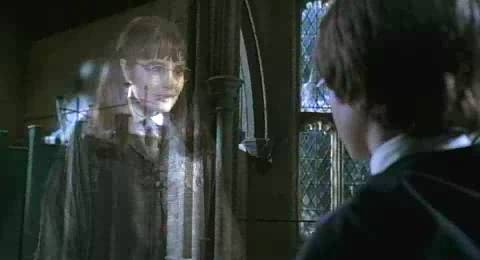
The Death-day party for Nearly Headless Nick is mostly celebrated by ghosts. This is the place where we are first introduced to the character of Moaning Myrtle, a ghost whose history is important to the story. In fact, I think there is an important detail about her that is relevant to the wizard's understanding of spirits/ ghosts. Moaning Myrtle spends her time floating around the place where she died. While she may venture off around the Hogwarts grounds here and there, for the most part she is hanging out next to the toilet where she spent her last moments physically alive. We do not know where any of the other ghosts die or why they hang out at Hogwarts, but we can better understand the wizard's viewpoint on ghosts and the soul in the afterlife by observing this little detail.

Also at the Death-day trio, not only do the trio run across the Fat Friar ghost, but they also see the ghosts of "gloomy nuns". While this does not necessarily paint a decent picture of nuns, it does help us realize that wizards have such an associated history with Catholic Christianity that not only are they acquainted with the men of religious orders, but also the women religious as well, giving them a more balanced understanding of Christianity.

Saint


In both the book and the movie, while Ron and Harry are disguised as Crabbe and Goyle, Malfoy bitterly refers to Harry as "Saint Potter". In The Sorcerer's Stone post, I mentioned how Ron used the word saint and described two different ways it can be, for lack of a better word, defined. There was the general understanding of saint being a term for good, virtuous people. Then there is the word saint in the Catholic Church, which is a title given to members of the community of Heaven that we pray to intercede for us. It seems that Malfoy is referring to Harry in the second instance as in St. Potter, just like St. Catchpole.

Now, this could mean several different things. Draco Malfoy and Ron Weasley both seem to have an understanding of what a saint is, though Ron's might come from a more generalized or Protestant view of sainthood while Malfoy may have been brought up from a more Catholic perspective. Or, both of them probably understand the two definitions of saint and use them interchangeably. Or, Malfoy thinks that, in the eyes of others, Harry seems to be such a noble, virtuous goody-two-shoes that most everyone at Hogwarts reveres him in the manner that they would a holy figure. In any case, the way that Malfoy uses the word "saint" in this scenario helps the reader see a wider picture of the wizard's connection to and understanding of Christianity.

Btw, if Harry Potter really were a saint, what would he be the patron saint of? Broomsticks? People tormented by dementors? Scars?

Soul


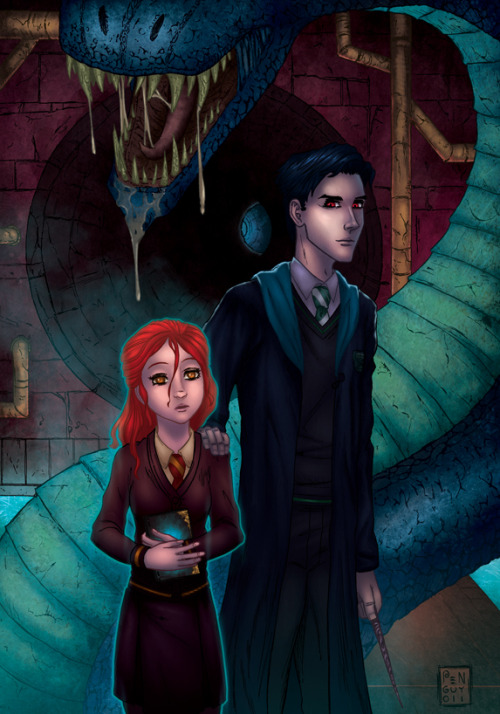
When Harry encounters Tom Riddle in the Chamber of Secrets, Riddle explains his interactions with Ginny. While explaining the way that Ginny would write in the diary, Riddle says "So Ginny poured out her soul to me, and her soul happened to be exactly what I wanted". Now, this is not necessarily a literal statement. This sounds similar to the way people would figuratively say "He really poured his soul into that song" or "He poured his heart out confessing his love for her." However, since this is a magical world, we cannot rule out that somehow Ginny may have accidentally been putting some of her soul into the diary, since the memory of Tom Riddle (a.k.a. Lord Voldemort) got stronger the more she became attached to the diary.

What exactly does Tom Riddle mean when he talks about Ginny's soul? As Ginny poured more of her "soul" into the diary, she became weaker while Riddle became stronger. In fact, Ginny is on the verge of death and Riddle, who we learn is just a memory magically attached to the diary, is on the verge of becoming alive before Harry interferes. Ginny loses so much of her "soul" that she nearly dies. And it would seem that she would probably not be able to come back as a ghost. Was Riddle somehow able to slowly absorb Ginny's living spirit like a dementor (which will be covered in upcoming posts)? Tom, Ginny, and Harry all understand that Ginny's living spirit is at stake in this scenario.

Also, I find it interesting that Tom Riddle is speaking on souls. The irony of this "memory" discussing souls becomes clearer as the book series continues.

Now that we have covered the first two books, it's time to move on to The Prisoner of Azkaban.